Water Crisis: 5 Cities Battling Water Insecurity
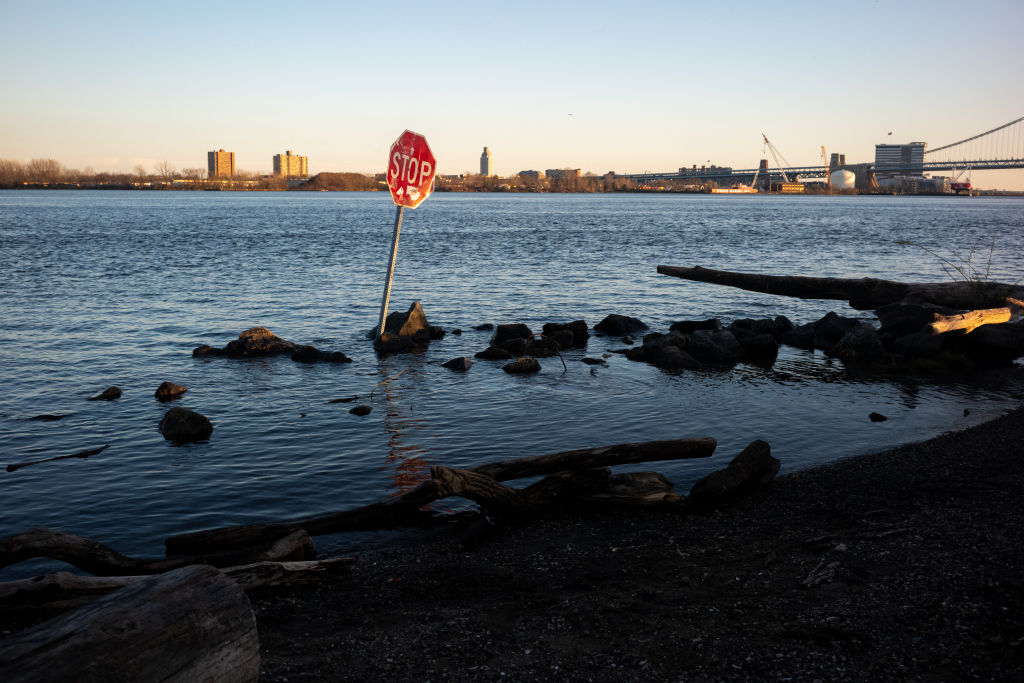
Source: Anadolu Agency / Getty
Water is essential for life, yet millions of people around the world still lack access to safe, clean drinking water. The water crisis is a global issue that affects everyone, but it disproportionately impacts people living in poverty and marginalized communities.
There are a variety of factors contributing to the growing crisis from pollution and climate change to poor mining and oil drilling. If left unaddressed, polluted water can lead to scarcity and a host of other problems for residents living in affected areas.
On Friday, Philadelphia became the latest U.S. city to face issues with water safety. Following a chemical spill at a Bucks County processing plant, residents in Philadelphia were issued an advisory by the state to switch to bottled water “out of an abundance of caution.”
Philly Residents scrambled to buy water on Sunday
Philadelphia received a notification urging them to switch to bottled water after 2 p.m. The scary alert sent people into a chaotic buying spree, emptying out stores across the city.
“Everybody’s scared,” a resident named Bernard told CBS. “Everybody’s scared. They had the thing come on your phone, so everybody’s scared. It was a mad rush on here for the last couple of hours.”
Annelise Foglio, another Philly native, said she went to three different locations to buy water, but to no avail. She received an e-mail from her school that all water fountains and systems would be closed throughout campus Monday morning.
“So students are required to bring their own water to school,” Foglio added.
Where did the chemical spill occur?
The spill occurred at the Trinseo Altuglas facility in Bristol, according to The Philadelphia Inquirer. On Sunday evening, Frank Bozich, the CEO of the company, released a statement noting that the incident “appeared to be a result of an equipment failure.” Around 8,100 gallons of a latex emulsion solution was spilled as a result.
According to Bozich, the product “overflowed the on-site containment system and entered a storm drain, where it flowed to Otter Creek and then to the Delaware River.”
“We are conducting a thorough assessment of all of our systems and processes to identify and address potential vulnerabilities and will take the steps necessary to close any gaps,” he added at the time.
Is it safe to drink water in Philadelphia?
On Sunday evening, officials claimed that no chemicals were found present at the city’s Baxter Water treatment plant. But water supply throughout the city will need to be tested again to ensure safety.
“There’s no need at this time for people to be rushing out and buying bottled water,” Mike Carroll, deputy managing director for the city’s Office of Transportation, Infrastructure and Sustainability, said during a press conference.
Carroll reassured residents that it was safe to fill up on tap water until the next update. But Philadelphians are still exercising extreme caution given the severity of the issue. Carroll said officials found traces of butyl acrylate during the chemical spill, a raw material often used for fiber processing agents, adhesives and acrylic rubber.
Philadelphia isn’t the only city going through a troubling water crisis. Here are four other cities that are currently battling water insecurity.
1. Flint, Michigan

Flint, Michigan, gained national attention in 2014 when lead contamination was found in the city’s drinking water. The contamination was caused by a decision to switch the city’s water supply from Lake Huron to the Flint River, which had high levels of lead and other contaminants. The crisis has had a profound impact on the health and wellbeing of Flint residents, particularly children, who are most vulnerable to the effects of lead exposure.
2. Houston, Texas

Houston, Texas, has faced multiple water crises, including the devastating impact of Hurricane Harvey in 2017, which caused widespread flooding and damage to the city’s water infrastructure. The city has also faced contamination issues, including a boil water notice in February 2021 due to the presence of bacteria in the water supply. The city’s aging infrastructure is also a concern, with many pipes in need of replacement.
3. Jackson, Mississippi

Jackson, the capital city of Mississippi, has been facing a water crisis due to several factors, including aging infrastructure, low water pressure, and a lack of funding. In February 2021, severe winter weather caused a water crisis in Jackson, leaving residents without access to clean water for weeks. The crisis exposed the city’s vulnerability to extreme weather events and the need for significant infrastructure improvements.
4. Baltimore, Maryland

Baltimore, Maryland, has faced a water crisis due to aging infrastructure, including pipes that are more than a century old. The city has also faced issues with lead contamination in its drinking water, particularly in schools. In addition, Baltimore has faced challenges with affordability, with many residents struggling to pay their water bills.


